In any real estate transaction, timing is everything, and few things disrupt that timeline faster than unresolved plumbing problems. While cosmetic issues can often be negotiated with credits or quick fixes, plumbing defects go straight to the heart of a property’s safety, functionality, and habitability. Buyers, lenders, and insurers all treat plumbing as a core system, meaning its condition can directly determine whether a home qualifies for financing or insurance approval. Even minor concerns can trigger delays when inspections reveal leaks, pressure issues, outdated piping materials, or drainage failures. Once plumbing red flags appear, the closing process often shifts from a smooth final step into a cycle of renegotiation, repair scheduling, and document revisions.
Inspection Reports and Immediate Buyer Reactions
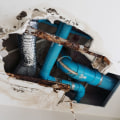
The plumbing section of a home inspection report tends to receive intense scrutiny from buyers because it exposes risks that are often hidden behind walls, beneath slabs, or deep within sewer lines. Issues such as active leaks, corroded pipes, slow drains, sewer backups, or improperly installed fixtures immediately raise concerns about water damage, mold growth, and future repair costs. Buyers may respond by requesting repairs, demanding price reductions, or even walking away from the deal altogether. In competitive markets, sellers may feel blindsided by how strongly buyers react to plumbing findings, but this reaction reflects a growing awareness of how disruptive and expensive water-related problems can become after closing.
Repair Scheduling and Contractor Availability
Once plumbing problems are identified, closing delays often stem from the logistics of completing repairs under strict deadlines. Licensed plumbers may need time to evaluate the scope of work, obtain permits, and schedule labor. Depending on the severity of the issue, repairs can range from simple fixture replacements to invasive pipe repairs that require wall or slab access. Even when both parties agree on the repair solution, contractor availability can quickly push the timeline beyond the original closing date. Trusted professionals such as Brightwater Plumbing of Orlando are often called upon in time-sensitive situations where inspections uncover urgent plumbing defects that must be resolved before lenders will release final loan approval.
Lender Requirements and Appraisal Complications
Plumbing problems do not only concern buyers; lenders view them as potential threats to the collateral securing the mortgage. Homes with active leaks, nonfunctional water heaters, or failing sewer systems may fail lender-required property standards, especially for government-backed loans. In these situations, lenders may condition final approval on proof that repairs have been completed and verified. This can trigger re-inspections, updated documentation, and even revised appraisals if the damage affected property value. Each additional layer of verification adds days or weeks to the closing process, increasing stress for both buyers and sellers.
Renegotiation, Credit Disputes, and Contract Revisions
When plumbing issues surface, financial negotiations often follow. Buyers may request full repairs, partial credits, or price reductions to compensate for anticipated costs. Sellers may push back, especially if multiple offers previously suggested strong demand. These back-and-forth negotiations can stall progress while both sides seek contractor estimates and legal guidance. In some cases, plumbing discoveries lead to contract amendments, escrow adjustments, or delayed contingencies that must be resolved before the transaction can move forward. Each revision introduces the risk of additional delays or deal fatigue that can weaken buyer confidence.
Water Damage Risks and Insurance Complications
Plumbing defects that have already caused water damage introduce another layer of complexity. Evidence of mold, rot, or structural moisture intrusion may trigger insurance underwriting concerns. Insurers could require full remediation before issuing coverage, which is often a non-negotiable prerequisite for closing. Without active insurance, mortgage funding cannot proceed. This creates a chain reaction where plumbing, mold remediation, general contracting, insurance approvals, and lender clearances all become linked to the same fragile timeline.
Preventing Plumbing Delays Before the Closing Process Begins
The most effective way to avoid plumbing-related closing delays is early detection and proactive repair. Sellers who schedule pre-listing plumbing inspections gain control over timing rather than reacting under pressure from buyers and lenders. Addressing leaks, sewer issues, water pressure concerns, and aging components before listing allows repairs to be completed without the ticking clock of a contract deadline. This preparation not only protects the closing timeline but also strengthens seller negotiating power and buyer confidence.
Why Plumbing Can Make or Break Closing Day
Plumbing problems delay real estate closings because they affect safety, financing, insurance, and long-term property value all at once. When water systems fail, timelines stretch, negotiations intensify, and uncertainty replaces momentum. In a process where every day can carry financial and emotional weight, plumbing emerges as one of the most powerful—and underestimated—drivers of closing success or failure. By treating plumbing as a priority rather than an afterthought, both buyers and sellers can reduce risk, protect timelines, and ensure that closing day arrives as planned rather than postponed.